What Happened After 30 Days of Red Light Therapy Surprised Even Me
Celebrities are obsessed. People swear it gives them thicker hair and perfect skin. But what if the biggest effect of red light is stranger than that?
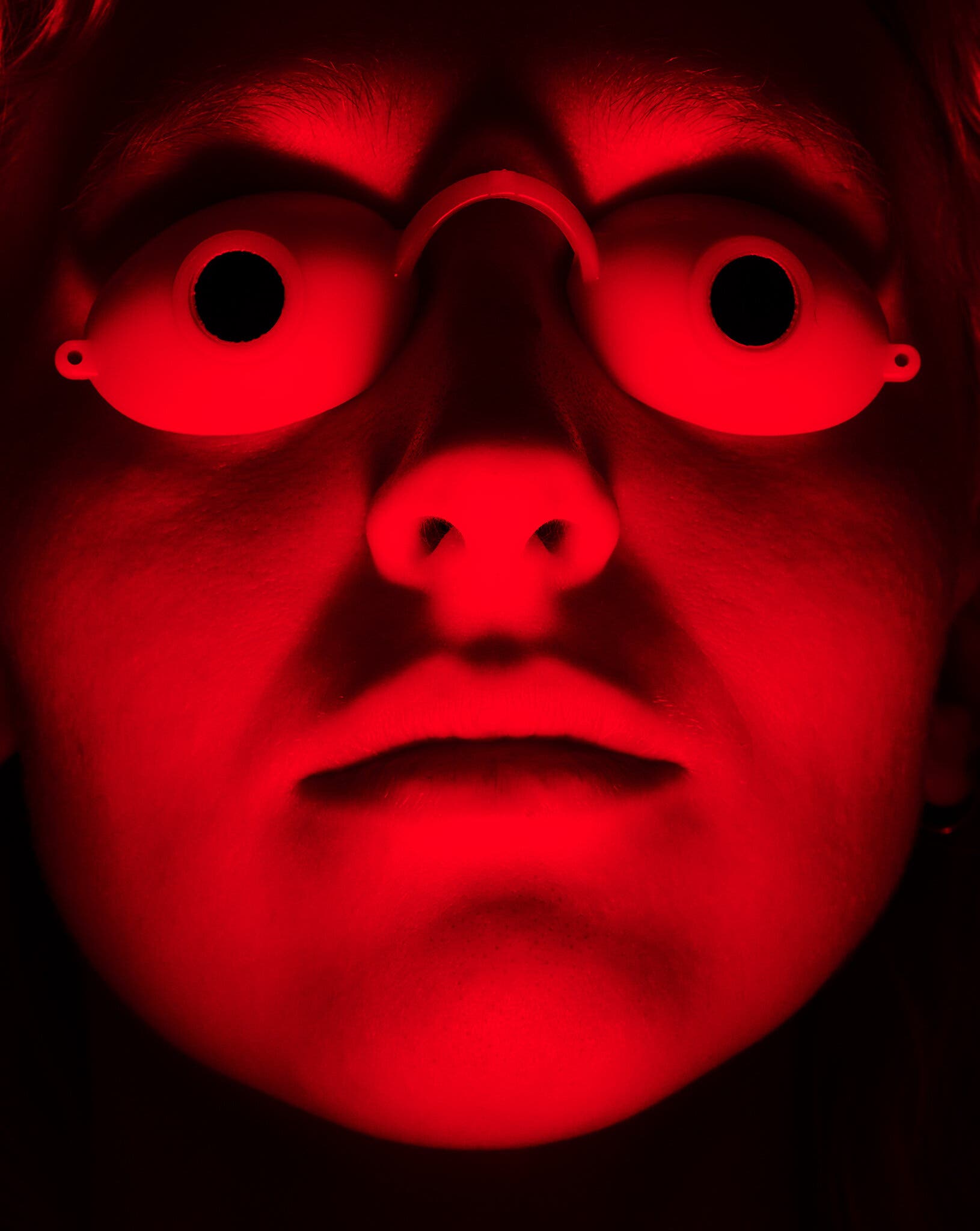
New York, NY — On the third day I dragged out my glowing red light device and turned it on…
My partner stopped mid-sentence, stared at the room, and said:
“Can you at least close the door? This looks insane.”
The walls were drenched in deep red light — like something straight out of a horror movie.
At that moment, I honestly wondered:
👉 Why are so many people suddenly obsessed with this?
A Trend That Quietly Took Over After the Pandemic
I don’t remember exactly when I first heard about red light therapy.
But like many things, it seemed to explode after lockdowns — when people became obsessed with:
- self-improvement
- recovery
- anti-aging
- anything that could “optimize” their body
Instagram was flooded with people bathing their faces in this strange glowing red light.
And they all claimed the same things:
- smoother skin
- faster healing
- reduced pain
- thicker hair
Backed by Science… Or Just Hype?
Here’s where it gets interesting.
Researchers have found that certain red wavelengths may:
- stimulate cellular energy (ATP)
- support tissue repair
- reduce inflammation
Doctors have used similar therapy for pain and recovery.
Even NASA explored red-light-emitting diodes (LEDs) to:
- grow plants in space
- help astronauts heal faster
So no — this isn’t completely made up.
From Niche Tool to $444 Million Industry
What used to be a clinical treatment has now become a booming market.
- Current size: $444 million
- Projected: $658 million by 2032
Devices now come in every shape imaginable:
- full-face masks
- handheld wands
- large panels
Some even look like something out of a slasher film — oddly similar to the mask worn by Jason Voorhees.
The Claims Sound Almost Too Good
People I know personally started trying it.
And the results they described were… hard to ignore:
“My skin tightened up so much I got carded again.”
“My acne just disappeared.”
“It fixed my inflammation completely.”
Even celebrities like:
- Jennifer Aniston
- LeBron James
…have reportedly incorporated red light into their routines.
But After 30 Days… Something Unexpected Happened
Yes — my skin looked a bit better.
Yes — I felt some physical benefits.
But the biggest change?
👉 It wasn’t visible.
It Changed How I Felt — Not Just How I Looked
After a couple of weeks, I noticed something strange:
- I felt calmer
- My mind slowed down
- My body relaxed faster
Using the red light became less about appearance…
…and more like a daily ritual.
Almost like:
- meditation
- a mental reset
- a pause from constant stimulation
Why More People Are Switching to At-Home Devices
The problem?
Professional sessions can cost:
- $50–$150 each
- thousands per year
So more people are now turning to at-home solutions.
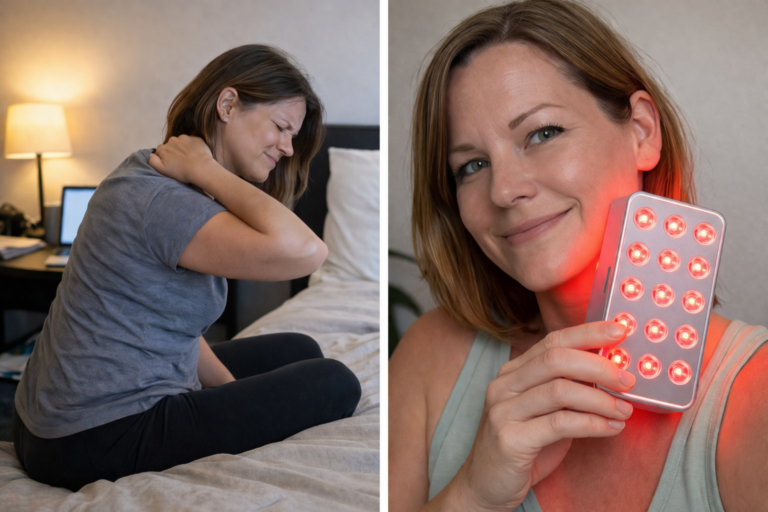
One device that keeps coming up in discussions is LuraBox™.
Users say it’s different because:
- It’s compact (not bulky like panels)
- Targets specific areas (skin, joints, muscles)
- Easy to use daily at home
👉 Which makes consistency — the real key — much easier
The Real Reason This Trend Keeps Growing
At first, people try red light therapy for:
- better skin
- less pain
But many stick with it for a completely different reason:
👉 They feel better.
Final Thought
Red light therapy isn’t magic.
But it might be one of the few trends where:
✔ Science
✔ Real-world use
✔ Personal experience
…actually overlap.
Check Before It Sells Out
Due to increasing demand, devices like LuraBox™ have been selling quickly.
👉 You can check availability here: