
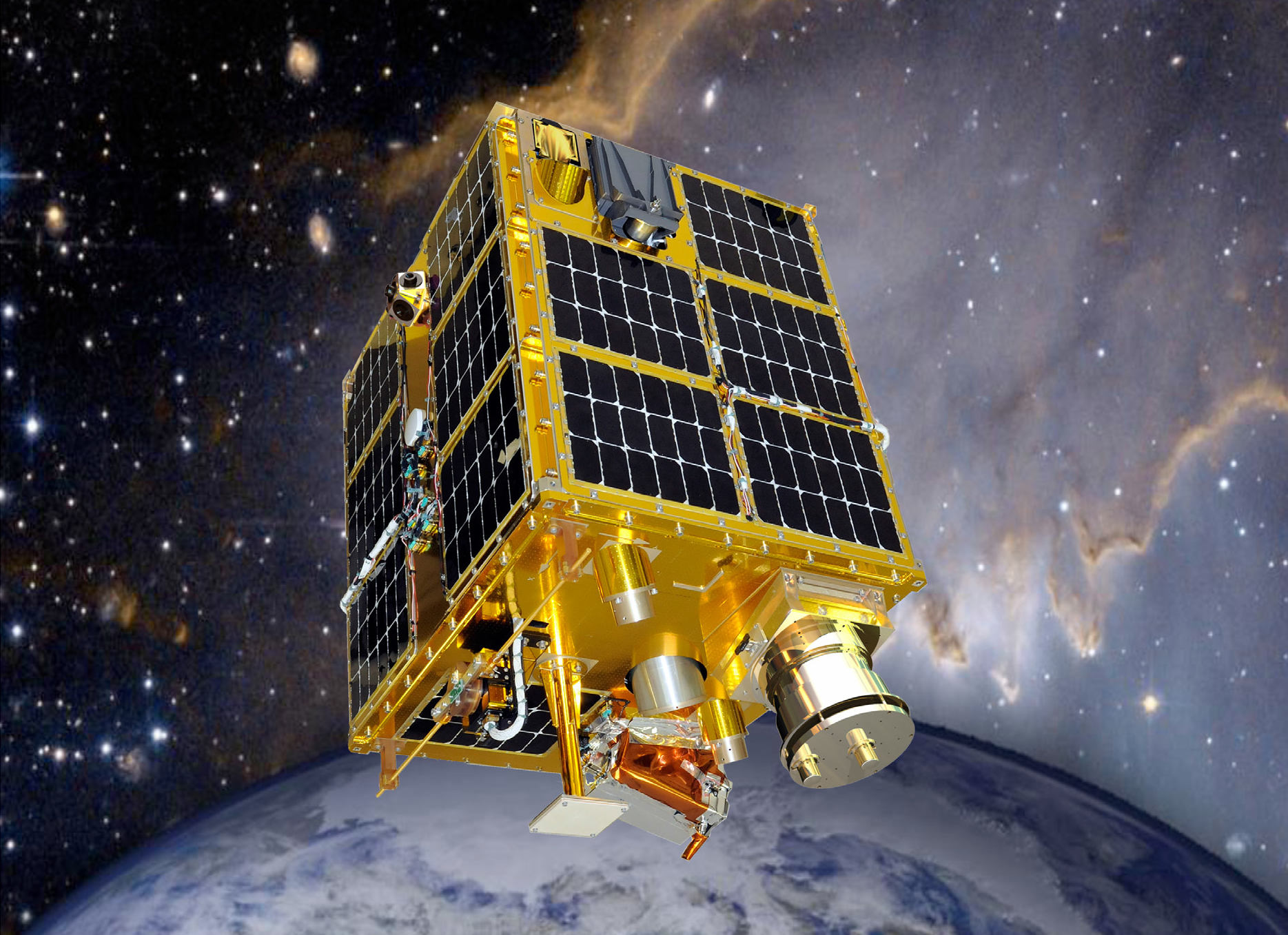
[NASA DECLASSIFIED] Why Astronauts Return From Space With Bodies That Look 10 Years Younger
I want to start with an honest confession.
At 58, I am a professional skeptic. I used to laugh at neighbors who bought “miracle technology” gadgets online. I believed in doctors, in prescriptions, in X-rays and MRIs. For 11 years, I spent more than $47,000 on pain medications, physical therapy, and — at the end of my rope — two cortisone injections directly into my left knee. My doctor called them “a temporary solution.” He was being generous. They lasted six weeks before the pain came roaring back, worse than before.
I had accepted that waking up every morning with knees stiff as lumber and a lower back that felt like someone was pressing a hot iron rod into my spine — that was just the normal price of getting older. Doctors called it “natural wear and tear.” I called it a quiet, daily hell.
Then I stumbled onto a NASA research document from 1993. Not on a conspiracy forum. Not from a salesman. From NASA’s official digital library — something anyone can access for free, but almost nobody bothers to look for.
That was the day everything changed.
THE PROBLEM NASA COULDN’T SOLVE WITH DRUGS
Imagine you’re a NASA engineer in the early 1990s. Your mission isn’t pain research — it’s solving a life-or-death problem: How do you keep a human being alive in space for more than six months without destroying their body by the time they return to Earth?
In a zero-gravity environment, the human body wages a slow war against itself — in ways no drug on the planet can stop.
First: bone. Astronauts lose 1–2% of their bone density every single month in space. That’s ten times faster than the most severe osteoporosis patient on Earth. Six months aboard the International Space Station compresses the equivalent of 60 years of bone loss into one mission.
Second: muscle. With no gravity to push against, muscles atrophy at a terrifying rate. Astronauts are required to exercise two hours every day in space — not for fitness, but for survival. Skip it, and they won’t be able to stand up when they get home.
But the most alarming problem — the one that kept NASA scientists awake at night — was this: the cells had stopped repairing themselves.
Under normal conditions, when your body sustains even a minor injury, it fires off emergency signals to surrounding cells: “Damage detected — mobilize resources, produce collagen, seal the wound.” That process unfolds over hours to days, depending on severity.
In space, that signal disappears. More precisely: the mitochondria — the power plants inside every cell — stop generating enough energy to send the signal in the first place. The result: wounds don’t heal, inflammation becomes chronic, and joints deteriorate at a rate never before documented in medical science.
Dr. Harry Whelan at the Medical College of Wisconsin, who led the NASA research project, described it this way: “The cells aren’t dying because they’re being attacked from outside — they’re dying because they don’t have enough energy to defend and repair themselves.”
NASA tried everything. Pharmaceuticals. Synthetic hormones. Specialized exercise protocols. Diets optimized down to the calorie. Nothing touched the root of the problem.
Until someone in the research group asked what seemed like a foolish question: “What if we delivered energy directly to the mitochondria?”
THE DISCOVERY THAT STUNNED EVERYONE — AND WHY IT WAS BURIED
Mitochondria are the most extraordinary machines in the human body.
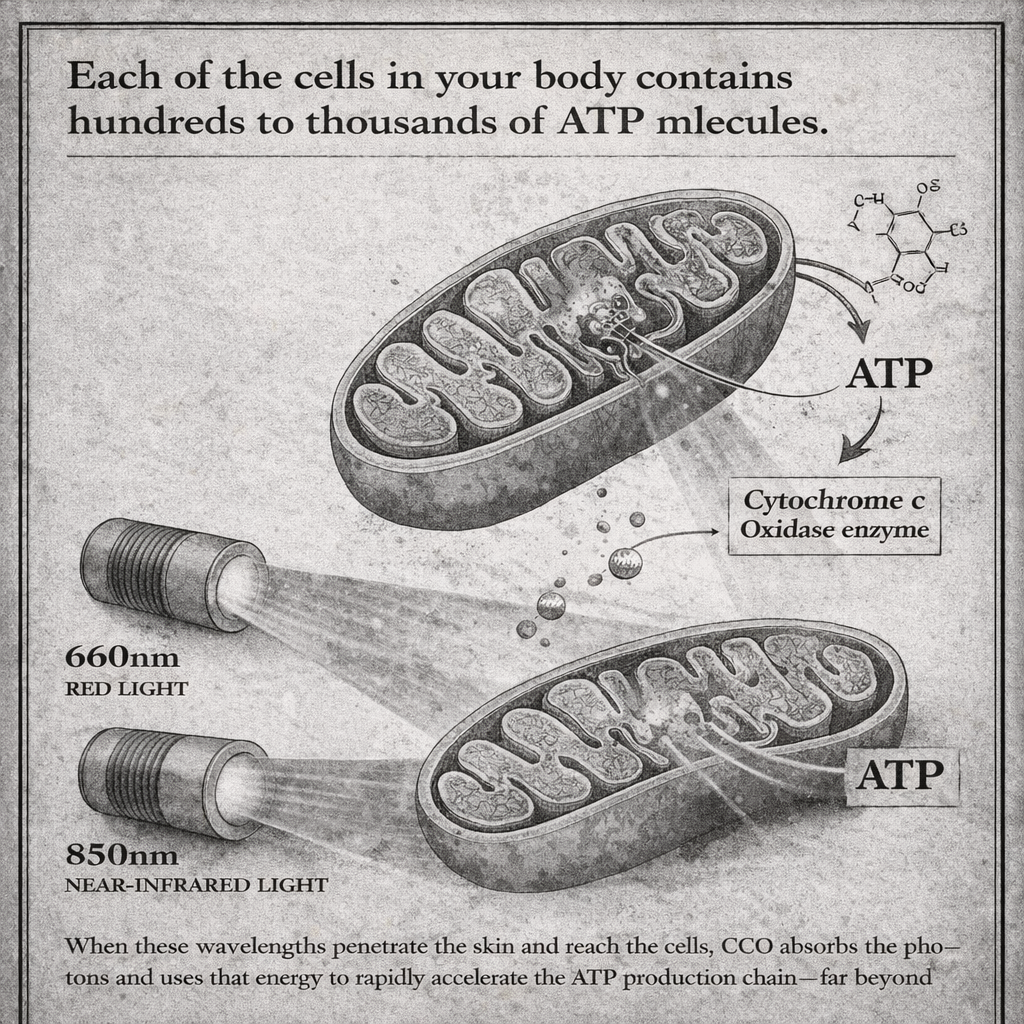
Every cell you have contains hundreds to thousands of them. They convert glucose and oxygen into ATP (adenosine triphosphate) — the biochemical “currency” that every living process in your body runs on. When you move, when your heart beats, when your brain forms a thought — all of it is powered by ATP.
But here’s what almost nobody knows: mitochondria can be “charged” directly from outside the body — no digestion required.
Inside the mitochondrial membrane lives a remarkable enzyme called cytochrome c oxidase (CCO) — a molecule exquisitely sensitive to specific wavelengths of light. Specifically: 660 nanometers (visible red light) and 850 nanometers (near-infrared, invisible to the naked eye).
When these wavelengths penetrate the skin and reach a cell, CCO absorbs the photons and uses that energy to accelerate the ATP production chain — dramatically beyond its normal rate. The effect is almost identical to connecting a nearly-dead battery to a fast charger.
NASA’s research team tested this on cultured tissue samples in the lab. The results left the entire group stunned: wounds healed 150–200% faster than control samples. Cartilage cells — severely damaged by the zero-gravity environment — began regenerating.
By 2002, the research had expanded into human clinical trials. The findings were published in multiple peer-reviewed medical journals, including the Journal of Clinical Laser Medicine & Surgery. The conclusion: high-intensity red light therapy effectively reduces pain, accelerates muscle and bone recovery, and — most strikingly — reduces inflammation with no significant side effects.
So why have you never heard of this?
This isn’t a Hollywood-style conspiracy. It’s a sadder, more ordinary story: economics.
In 2002, a clinical-grade red light device cost between $8,000 and $15,000. Only elite rehabilitation clinics in major cities — and professional sports teams like NFL and NBA franchises — could afford one.
Do the math from a pharmaceutical company’s perspective: if someone buys a single device that lasts a decade and uses it instead of buying monthly pain medications, that company has lost a customer paying $100–$200 a month — meaning $12,000 to $24,000 over ten years.
No pharmaceutical company has any financial incentive to champion research about something they can’t sell on a monthly subscription basis. The FDA doesn’t have the research budget to do it for them.
So NASA’s technology sat quietly — not erased, not suppressed — simply stranded, because no one with money had a reason to bring it to you.
Until now.
WHY 2026 IS DIFFERENT
Over the last five years, LED technology has undergone a revolution similar to what happened to lithium-ion batteries in the decade before it. Efficiency has doubled. Manufacturing costs have dropped by 90%.
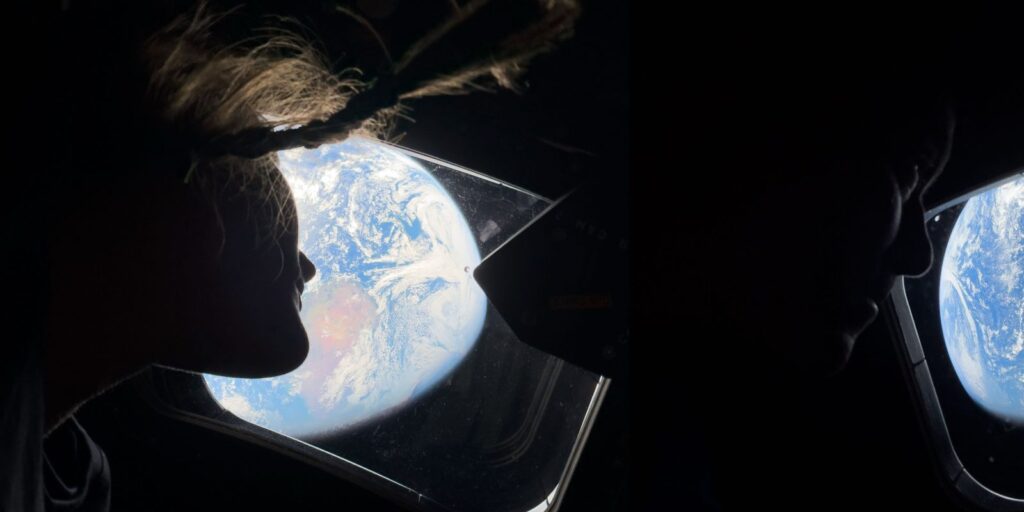
At the same time, NASA’s Artemis mission — returning humans to the Moon before the end of this decade — has reignited a massive wave of research into long-duration astronaut health. Documents have been declassified. New studies have been published. And the medical science community has started paying very close attention.
This is no longer “promising technology.” This is technology validated across three decades of research, and for the first time in history, it can be manufactured at a price point that puts it in the hands of ordinary people.
LURABOX AND THE MISSION TO “DEMOCRATIZE NASA”
This is what Manhattan clinics charge $150 for — per ten-minute session:
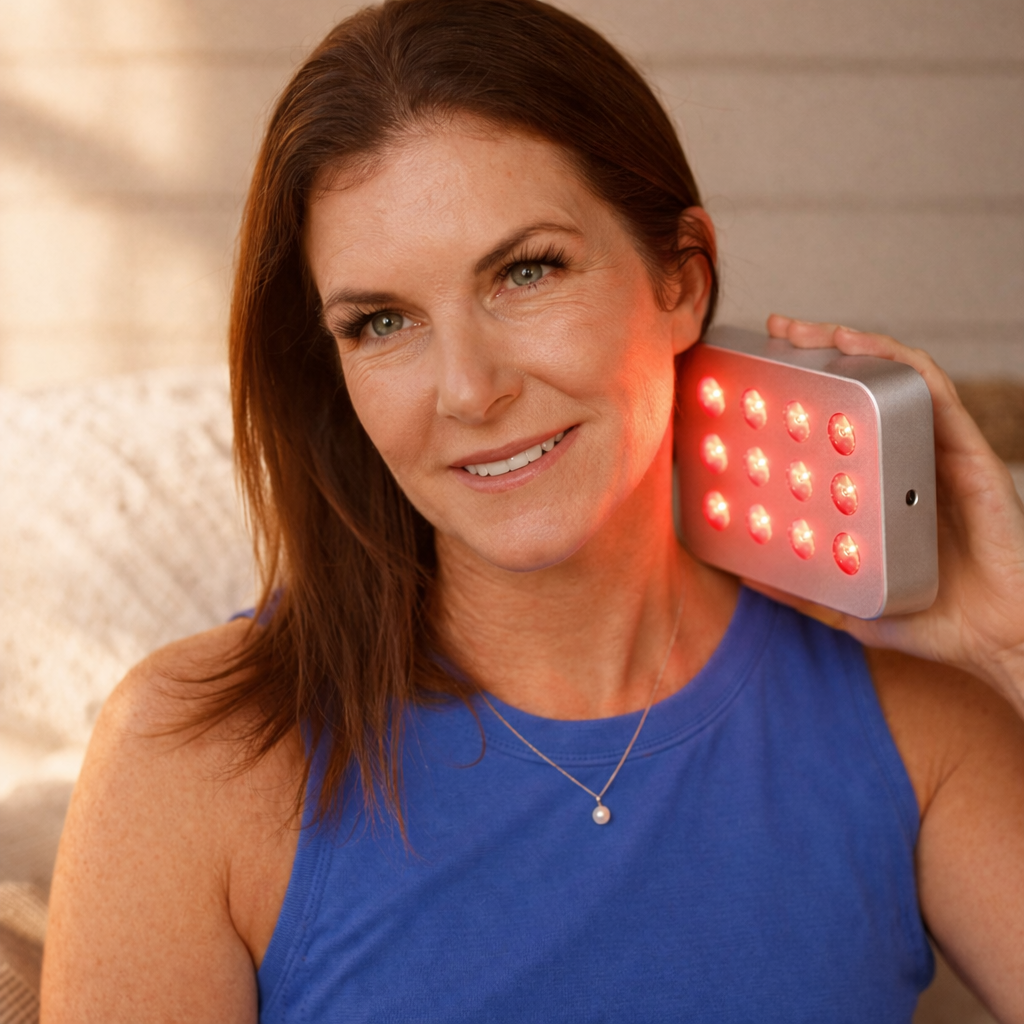
An LED chamber that emits precisely calibrated 660nm and 850nm wavelengths at an irradiance level high enough to penetrate skin and soft tissue, reaching the muscle and cartilage cells underneath.
LuraBox does exactly that. Nothing more, nothing less.
But instead of $150 per session, you pay once — and use it every day, for 10 minutes, from your own living room.
How it works — without the confusing jargon:
Step 1 — Recharge your cells. The 660nm and 850nm light penetrates tissue, activates CCO inside the mitochondria, and ramps up ATP production. Your cells now have the energy to do what they were designed to do: repair themselves.
Step 2 — Break the chronic inflammation loop. Inflammation isn’t always the enemy — it’s a normal immune response. But in adults over 45, it often gets stuck in a chronic state. The surge of ATP helps release nitric oxide from blood vessels that have been constricted around your joints — allowing blood to flow again, delivering nutrients to areas that have been starved for years.
Step 3 — Trigger your body’s own collagen production. Collagen is the building material for cartilage, tendons, and skin. When ATP is abundant, fibroblasts — the cells responsible for synthesizing collagen — go into overdrive. The result: cartilage gradually rebuilds. And a “side effect” many users report: skin that looks firmer, fine lines that soften, age spots that fade.
Step 4 — Reset your rest and recovery cycle. The 850nm near-infrared wavelength influences serotonin and melatonin pathways. Many LuraBox users report dramatically better sleep after two to three weeks of consistent use — not because the device has some magical sleep mode, but because when nerve cells have sufficient energy, they don’t need to run on permanent high alert.
REAL PEOPLE, REAL RESULTS — IN THEIR OWN WORDS
Linda, 63 — Fort Worth, Texas
“My doctor had recommended knee replacement surgery in January. I’d already put down a deposit on half the cost. But I wanted to try one more thing before letting someone open up my knee. Call me reckless — but 18 days into using LuraBox, 10 minutes every morning after my coffee, I realized I was walking down the stairs without gripping the railing. By week four, I canceled the surgery. My doctor didn’t believe me. He ordered a new MRI and told me the inflammation had dropped significantly. I don’t need him to believe me. I just need to pick up my granddaughter without wincing. And now I can.”
Robert, 71 — Scottsdale, Arizona
“I’m a veteran. I’ve lived with chronic back pain for 23 years — ever since a training accident in 1993. I tried everything the VA could offer. Morphine. Gabapentin. Epidural injections. They made me numb enough that I couldn’t feel much of anything — not just the pain. In my third week with LuraBox, I sat down on the floor to play with my dog — and for the first time in 20 years, I stood back up without using my hands to push off. That wasn’t a miracle. That was 10 minutes a day and a little patience.”
Patricia, 55 — Naples, Florida
“I bought LuraBox for the rheumatoid arthritis in my fingers. What I didn’t expect was that after three weeks, my husband — a man who hasn’t voluntarily commented on my appearance in 28 years of marriage — asked me what I’d done differently with my skin. I hadn’t changed a single product. Just LuraBox. Best unintended bonus I’ve ever gotten from a medical device.”
WHY TODAY — AND WHY THIS ISN’T A MARKETING TRICK
I understand your skepticism. I was you.
So let me tell you the things most advertisements will never say out loud:
LuraBox is not a drug. It does not cure arthritis, does not fully rebuild cartilage that’s already gone, and does not replace surgery in severe cases. If you’re looking for a miracle cure, this isn’t it.
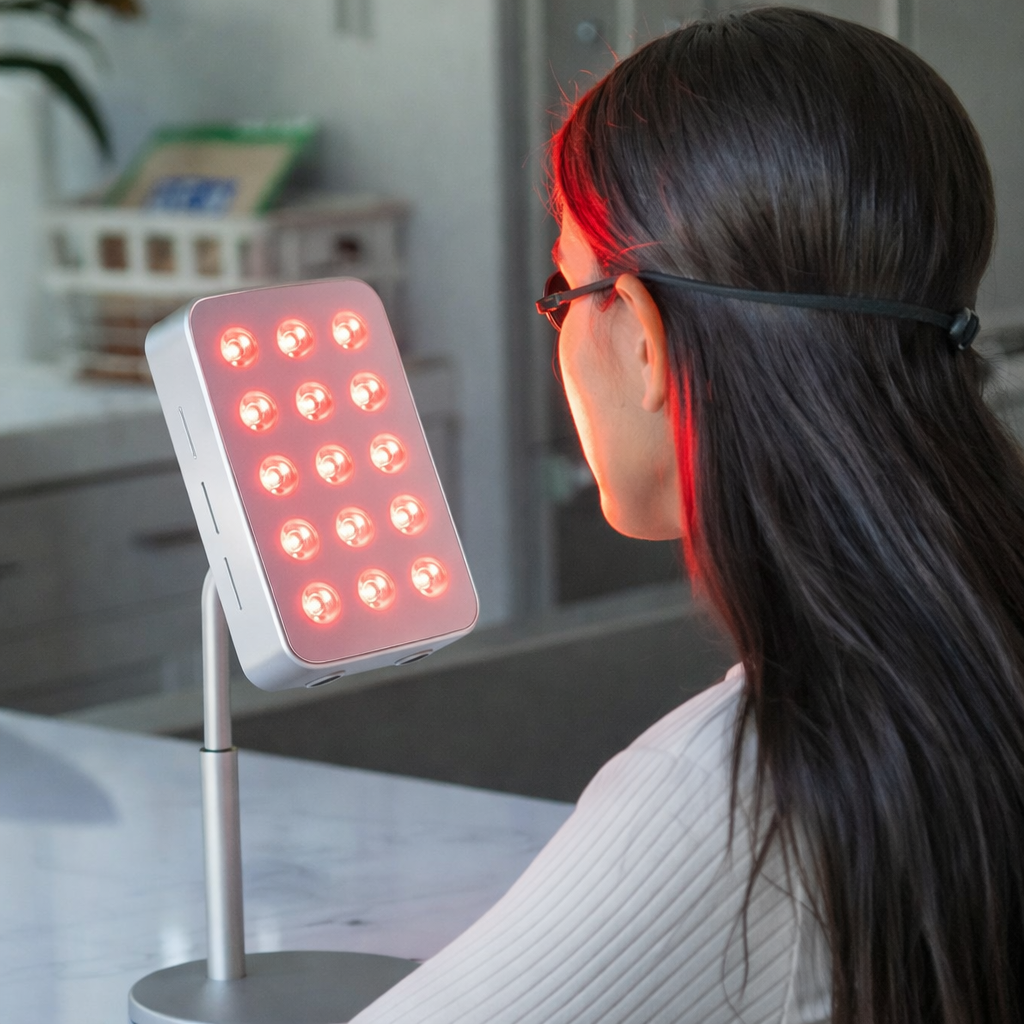
What LuraBox does: It gives your cells the energy source they need to do their jobs better. If your body still has the capacity to heal itself — and for most people between 45 and 75 living with chronic pain, the answer is YES — then LuraBox may be the catalyst that lets it actually do so.
On availability: In 2026, with NASA’s Artemis mission generating global interest in red light therapy, demand for clinical-grade LED components is rising sharply. The “Artemis 2026” launch event pricing — 50% off — is genuinely limited.
Is LuraBox Still In Stock and Is the 50% Discount Still Active?
The 60-Day Guarantee — No Questions. No Conditions.
You have 60 days to try LuraBox. If after 60 days you don’t notice a real difference in your daily mobility — if getting down the stairs, rising from a chair, or picking up a grandchild doesn’t feel at least meaningfully easier — send it back.
Full refund. Zero questions.
We make this offer with confidence because we know what three decades of science have shown. And we know that for most people, it’s somewhere in week two or week three that the thought first crosses their mind: “Wait… something is actually changing.”
Not magic. Physics. And physics works.
At LuraBox, we’re not selling you hope. We’re bringing you the same technology NASA developed to keep astronauts functional in the harshest environment in human history — and for the first time ever, it’s small enough to sit on your nightstand.